
New York, New Jersey Subpoena FIFA Over World Cup Ticket Sales After Seat Map, Pricing Complaints
The joint investigation follows California’s inquiry into whether FIFA misled buyers with shifting ticket categories, variable pricing, and seat assignments…
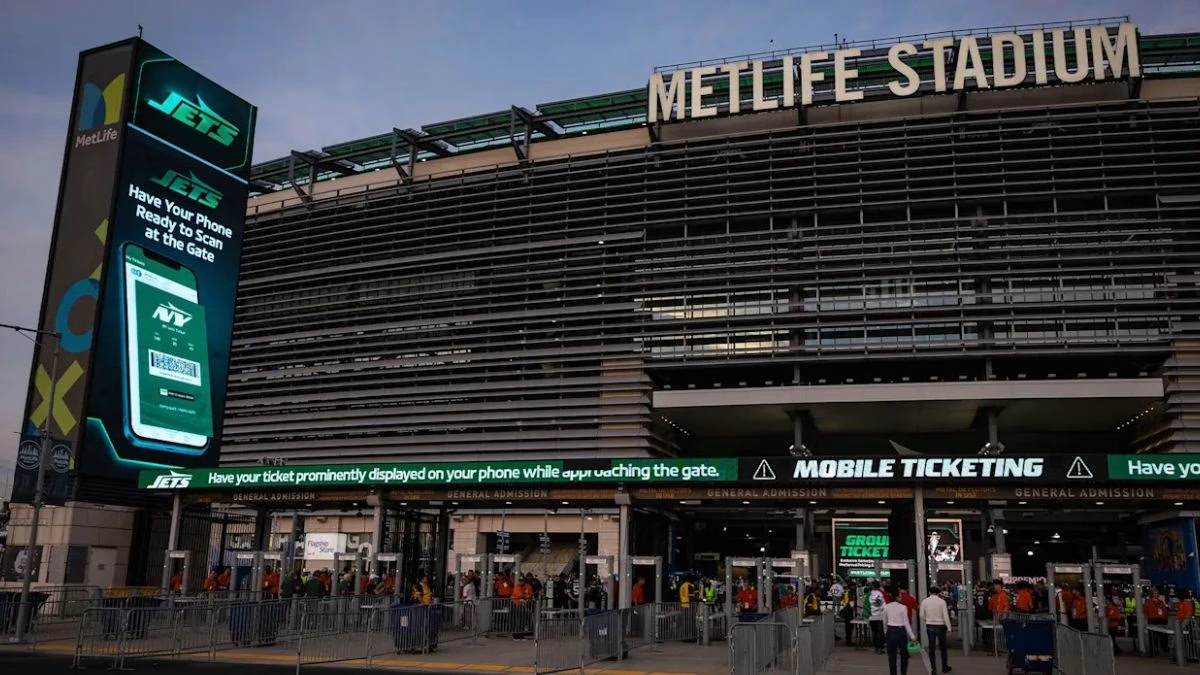
The joint investigation follows California’s inquiry into whether FIFA misled buyers with shifting ticket categories, variable pricing, and seat assignments that fans say did not match what they purchased.
New York and New Jersey attorneys general have subpoenaed FIFA over its 2026 World Cup ticketing practices, escalating scrutiny of the tournament organizer after months of fan complaints over changing seat maps, opaque ticket categories, and soaring prices.
New York Attorney General Letitia James and New Jersey Attorney General Jennifer Davenport announced Wednesday that their offices have opened an investigation into FIFA’s ticketing process, with support from the New York City Department of Consumer and Worker Protection. The subpoenas seek information about ticketing practices tied to MetLife Stadium in East Rutherford, New Jersey, which is scheduled to host eight World Cup matches, including the July 19, 2026 final.
The investigation follows reports that fans may have been misled about the locations of seats they were purchasing, and that FIFA’s public statements and phased ticket releases may have contributed to steep price increases. The New Jersey announcement said the subpoenas specifically seek information about ticketing for the eight matches hosted in New Jersey, including the final.
“New Yorkers have been waiting years for the World Cup to come to their backyard, and they deserve a fair shot at affordable tickets,” James said in the announcement. “No one should be manipulated into paying sky-high prices for seats, and fans should be able to trust that the tickets they purchase will be the ones they receive.”
Davenport was sharper in her criticism, accusing FIFA of turning World Cup ticket buying into “a gauntlet of confusion, fake scarcity, and impossibly high prices.”
Official Announcements: New York | New Jersey
The subpoenas add New York and New Jersey to the growing list of state officials pressing FIFA over the rollout of its North American World Cup ticketing program. As TicketNews previously reported, California Attorney General Rob Bonta sent FIFA a letter earlier this month seeking answers about potentially misleading ticketing practices for matches in California, including games at SoFi Stadium near Los Angeles and Levi’s Stadium in Santa Clara.
RELATED: California AG Presses FIFA Over Alleged World Cup Ticket Bait & Switch
At the center of the controversy is FIFA’s category-based sales system. Rather than allowing many buyers to select exact seats, FIFA sold tickets by broad seating categories, with stadium maps showing Category 1 as the most desirable public seating area, followed by lower-priced Category 2, Category 3, and Category 4 areas.
According to the attorneys general, fans have reported that after many buyers had already purchased tickets, FIFA introduced new “Front Categories” within the existing ticket categories. Those new zones were made up of some of the most desirable seats and were sold at significantly higher prices. The AGs said reports indicate that buyers who purchased before those new zones were introduced were excluded from those seats and assigned less desirable locations, including seats farther from the field or behind the goals.
The offices are also examining complaints from fans who say they did not receive seats in the category they believed they had purchased. In some cases, buyers who selected and paid for Category 1 tickets reportedly were later assigned seats that appeared to be farther back or in areas comparable to Category 2 locations.
That issue closely mirrors the concern raised in California. Bonta’s office asked FIFA for copies of stadium map iterations, purchase pages shown to buyers, and data showing how many fans were assigned seats that would have appeared in a lower category based on maps available at the time of purchase. TicketNews previously noted that FIFA’s defense has leaned on the idea that its maps were “indicative” rather than precise seat charts, but the consumer-protection question is whether the sales presentation gave buyers a misleading understanding of what they were purchasing.
The New York and New Jersey investigation also extends beyond seat-map complaints to FIFA’s broader pricing strategy. The AGs said FIFA has used “variable pricing” to adjust ticket prices based on demand, and that prices for some matches rose sharply as tickets were released in phases over several months.
According to the announcement, press reports indicate that between October 2025 and April 2026, FIFA raised prices for more than 90 of the tournament’s 104 matches, with the three main public ticket categories rising by an average of 34%. The investigation will examine whether FIFA’s release schedule, public statements, and other conduct contributed to those increases.
This framing moves the investigation beyond a narrow dispute over whether individual buyers were seated in the correct section. Regulators are now looking at the structure of the entire sales process: how FIFA described inventory, how it released tickets, how it priced them, and whether consumers had enough reliable information to make informed purchasing decisions.
The involvement of New York City’s consumer protection agency also signals potential scrutiny under local consumer protection law. DCWP Commissioner Samuel A.A. Levine said reports of misleading seat-location representations and artificially inflated prices were “deeply troubling,” adding that the agency would not hesitate to take enforcement action if warranted.
For the ticketing industry, the growing FIFA scrutiny is significant because it centers on the primary seller and event organizer rather than the resale market. Much of the political debate around ticket prices has historically focused on secondary-market markups, speculative listings, or broker conduct. Here, the allegations concern the official ticketing process itself: what buyers were shown, what inventory was made available, how prices changed, and whether fans ultimately received seats matching the value and location they reasonably expected.
The World Cup has already become one of the most closely watched ticketing stories of the year, both because of the scale of the tournament and because FIFA’s North American sales strategy has pushed prices far above what many fans expected. But the issue now facing FIFA is not merely whether tickets are expensive. It is whether consumers were given a clear and accurate picture of what those prices bought.
New Yorkers who believe they did not receive the World Cup tickets they paid for are being encouraged to file complaints with the New York attorney general’s office. New Jersey residents are being directed to file complaints through the state Division of Consumer Affairs.
Read next
More headlines

May 27, 2026
Kehlani Plots 2026 North American Tour
Kehlani has announced a 2026 North American tour in support of her recently released self-titled album. The 33-date “Kehlani World…

May 27, 2026
Knicks Fans Left Waiting After ‘Fan First’ NBA Finals Presale Is Postponed Without Clear Explanation
New York Knicks fans hoping to use the team’s “Fan First” program to buy NBA Finals tickets before the general…

May 27, 2026
Asake Announces 2026 North American Tour
Nigerian Afrobeats star Asake is bringing his music on a North American arena tour this fall. The 10-date “In God…